Heart surgery, explained by a heart surgeon
Straight answers, from the surgeon’s side of the table.
Short videos and plain-language guides on what heart surgery involves, how decisions get made, and what recovery really looks like — for patients and the people who love them.
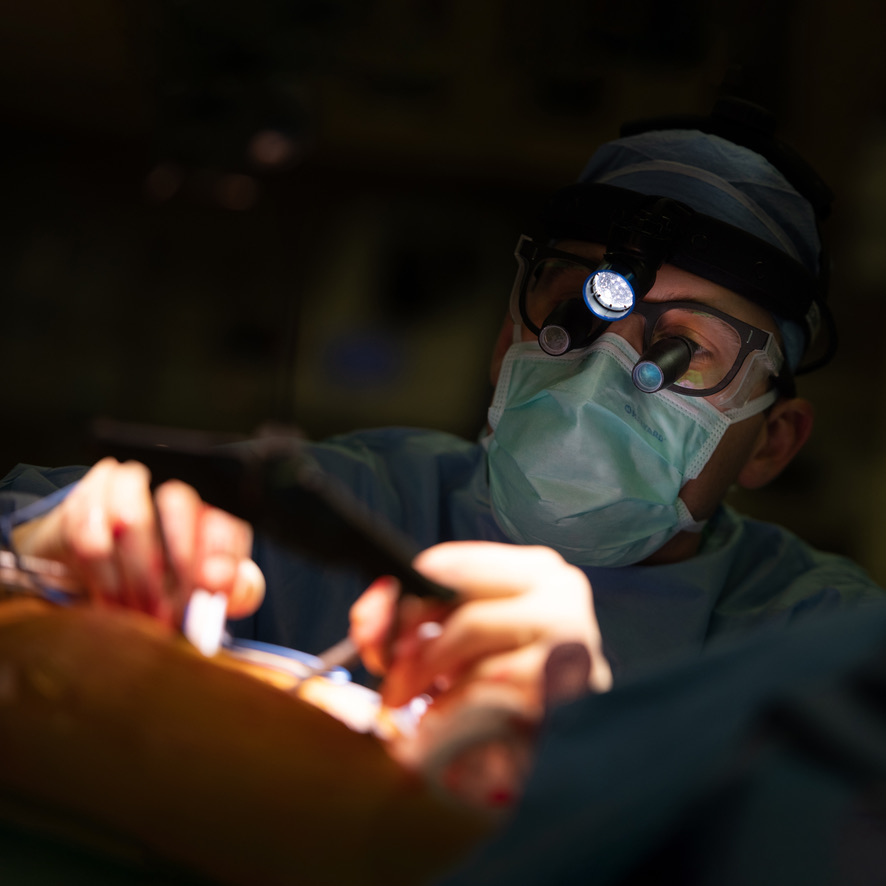
New videos are being recorded now. Captions will be included.
Why patients choose Dr. Leidenfrost
Where are you right now?
Choose the path that fits. Each one has its own videos and guides.
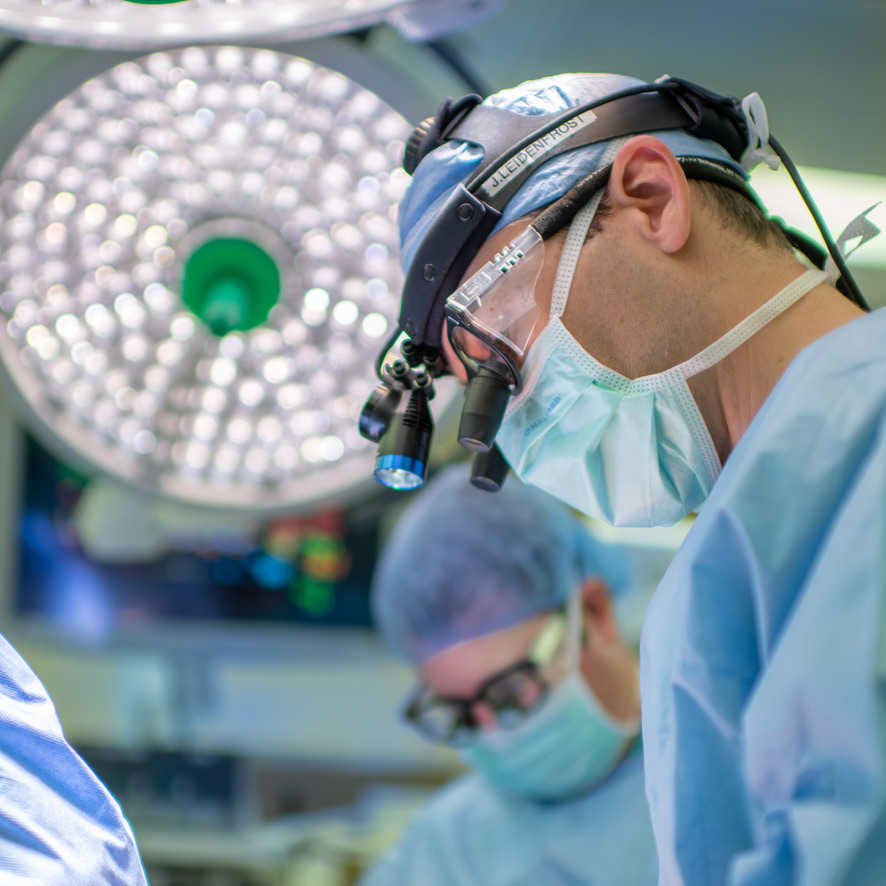 My family member is a patient
Someone I love is having heart surgery with Dr. Leidenfrost
What happens on surgery day, what the ICU looks like, who you’ll talk to, and how to help at home.
Surgery day
The ICU
Going home
Family resources
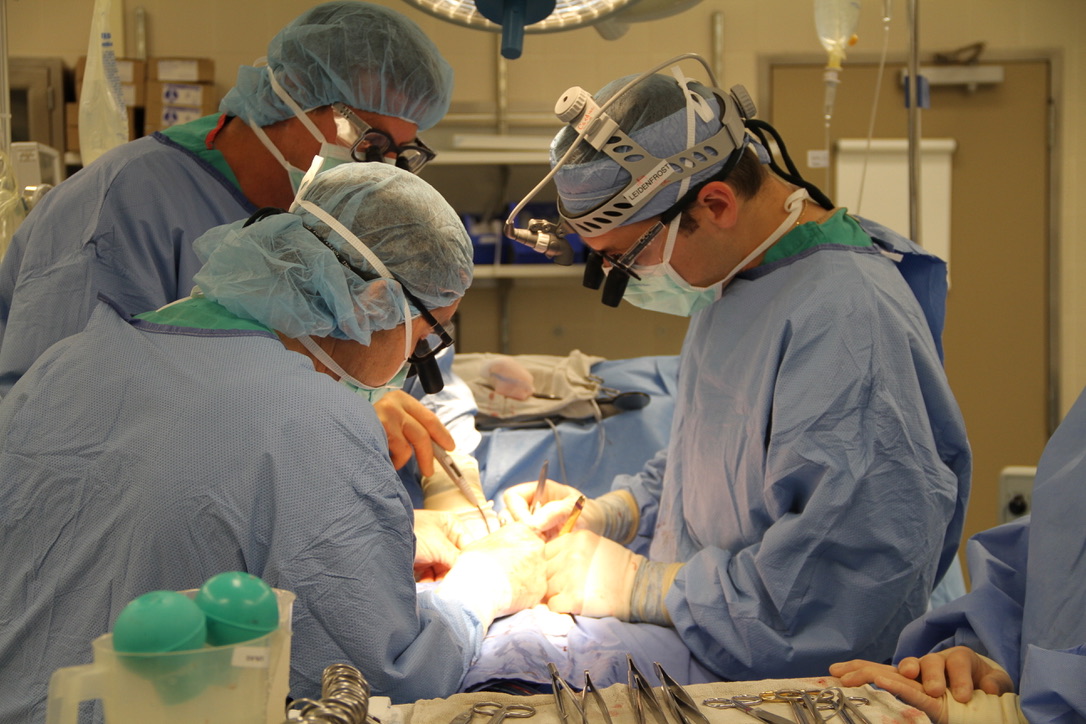 Learning about heart surgery
I’ve been told I may need heart surgery
Just diagnosed, weighing options, or looking for a second opinion. Start with the basics and the questions worth asking.
Understanding options
Choosing a surgeon
Second opinions
Start here
The road through heart surgery
Every stage has a short video and a one-page guide. Jump in wherever you are.
-
01
Just diagnosed
What your diagnosis means and what happens next.
Read the guide -
02
Deciding
Surgery, catheter procedures, or watching — and how to weigh them.
Read the guide -
03
Preparing
The weeks before: tests, medications, and getting your home ready.
Read the guide -
04
In the hospital
Surgery day, the ICU, and the days on the floor.
Read the guide -
05
Recovery
Home, rehab, and getting back to the life you want.
Read the guide
A faster recovery
Plates, not wires: rigid sternal fixation
I close the breastbone with titanium plates, the way other broken bones are set. In a randomized trial, it healed faster with fewer complications and less pain than wires — and my patients are back to no sternal precautions at 6 weeks.
See the evidence →41% vs 16%
healed on CT at 3 months
0% vs 5%
sternal complications at 6 months
The question most patients don’t ask
“What are your published outcomes?”
Heart surgery is one of the few specialties in medicine where results are publicly reported and independently verified. Before you choose any program, ask to see them.
- Society of Thoracic Surgeons star ratings grade cardiac surgery programs from 1 to 3 stars on risk-adjusted results. Our program holds 3 stars, the highest rating, for coronary bypass and for aortic valve replacement combined with bypass (STS composite ratings, 2023–2025).
- Healthgrades measures risk-adjusted mortality — the share of patients who don’t survive, adjusted for how sick they were going in. St. Luke’s has been one of America’s 50 Best Hospitals for Cardiac Surgery every year since 2019.
I’m happy to walk you through exactly where we stand, and how it compares with anywhere else you’re considering.
The team around your surgeon
Heart surgery isn’t a one-person sport
A dedicated cardiac ICU
Nurses, respiratory therapists and intensivists who care for heart patients every day — and know what “abnormal” looks like, often before a monitor does.
Dedicated cardiac anesthesiologists
Anesthesiologists dedicated to heart surgery, trained in cardiac anesthesia and board-certified in echocardiography — they watch your heart with ultrasound throughout the operation.
A heart team for complex cases
Cardiac surgeons, interventional cardiologists, imaging and heart-failure specialists review complex cases together, so you get the best approach — not just the one a single doctor happens to do.
A calmer place to heal
St. Luke’s in Chesterfield: private rooms and easy parking for family, away from a downtown medical center.
Procedures, explained
What each operation is, why it’s done, and what I tell my own patients about it.
About the surgeon
I explain things the way I’d want them explained to my own family.
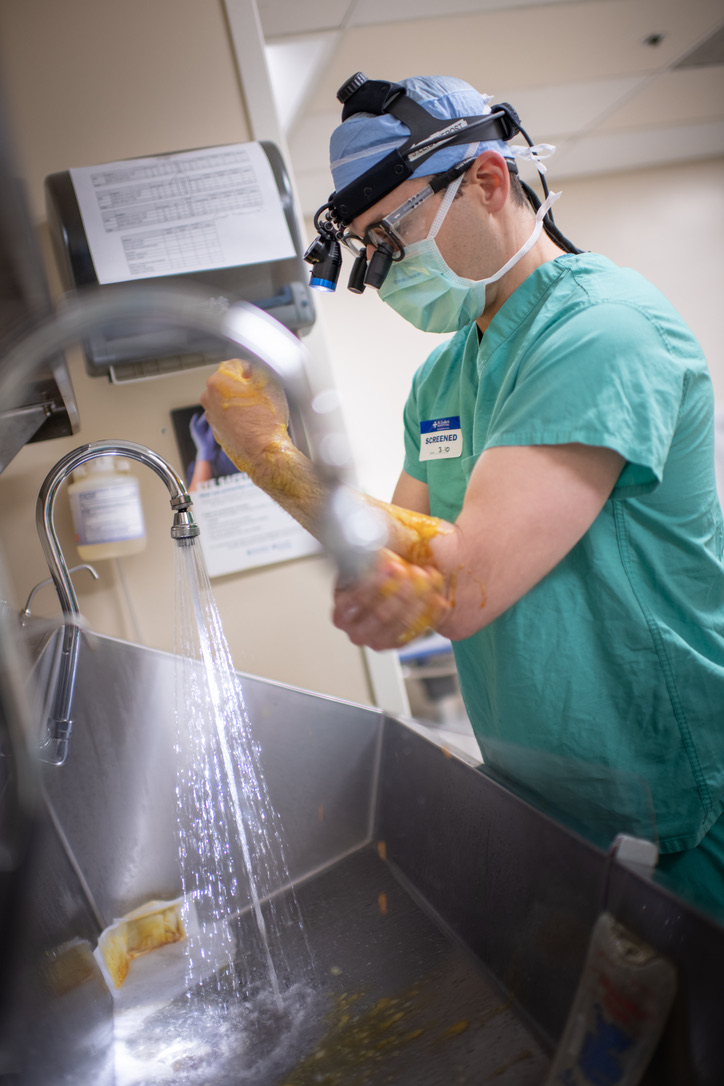
I’m Jeremy Leidenfrost, a cardiothoracic surgeon in St. Louis. The best conversations I have with patients happen before anyone is in a gown — when there’s time to talk through what’s wrong, what the options are, and what I’d recommend and why.
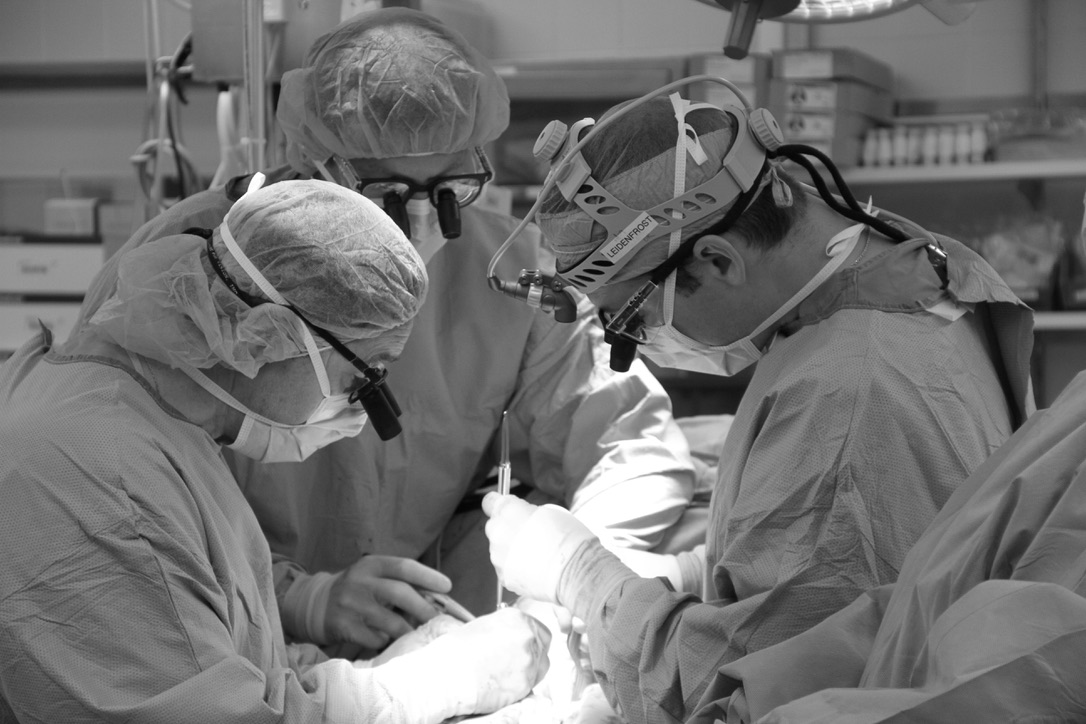
Heart surgery runs in my family. My father is a cardiothoracic surgeon too — we both trained at Washington University, decades apart — and for more than 12 years he has been my partner in practice. A lot of how I care for patients, I learned watching him.
When we meet, I sit down, draw your heart on a piece of paper, and answer every question. I don’t rush. This site is those conversations, recorded.
Ranked #6 nationally in cardiothoracic surgery — Newsweek, America’s Leading Doctors 2025
Board-certified cardiothoracic surgeon · MD, Saint Louis University School of Medicine · General surgery residency and cardiothoracic fellowship, Washington University / Barnes-Jewish Hospital
Consultations and second opinions
Talk with Dr. Leidenfrost
Whether you’ve just been diagnosed or have already been told you need surgery, I’m glad to review your case and talk through your options — including a second opinion on a recommendation you’ve received.
Call (314) 434-3049Monday–Friday, 8 a.m.–4 p.m. Central
1 · Call our office
Tell our office you’d like a consultation or a second opinion.
2 · We gather your records
Your records, imaging and prior tests — we do the chasing, not you.
3 · An honest assessment
Whether surgery is right, whether a less invasive option exists, and what realistic outcomes look like.
4 · Your decision
Take it wherever you want — to us, to your current doctor, or home to your family.