Watch: in my words
What happens on the day of surgery — for me and my family
New videos are being recorded now. Captions will be included.
Surgery day
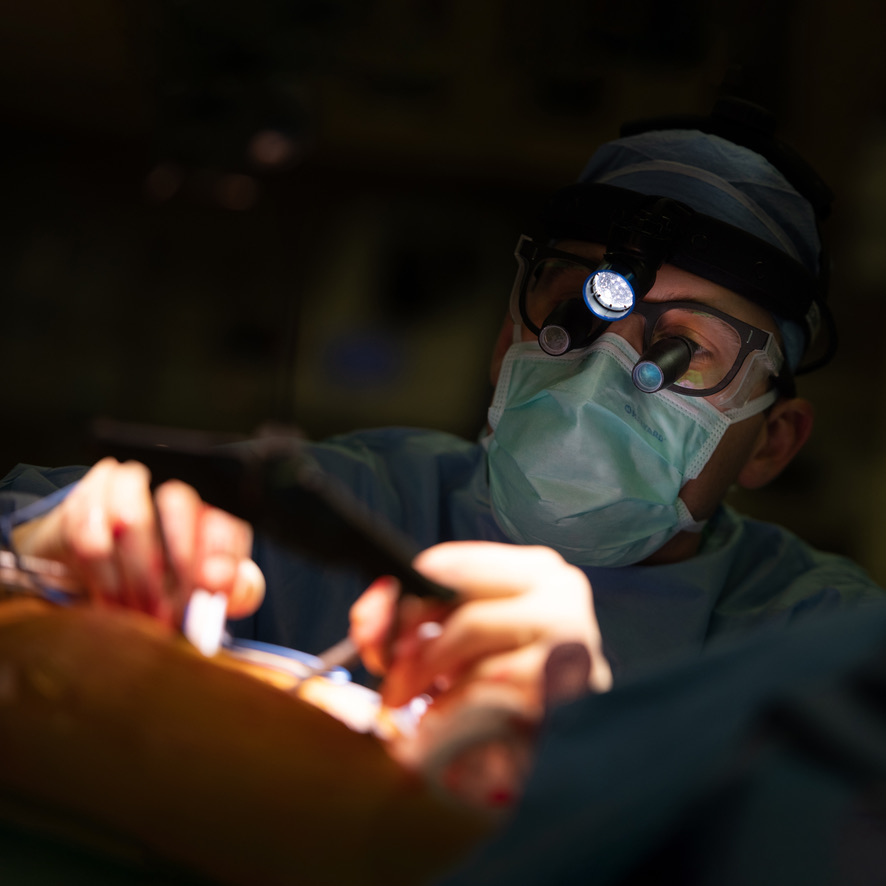
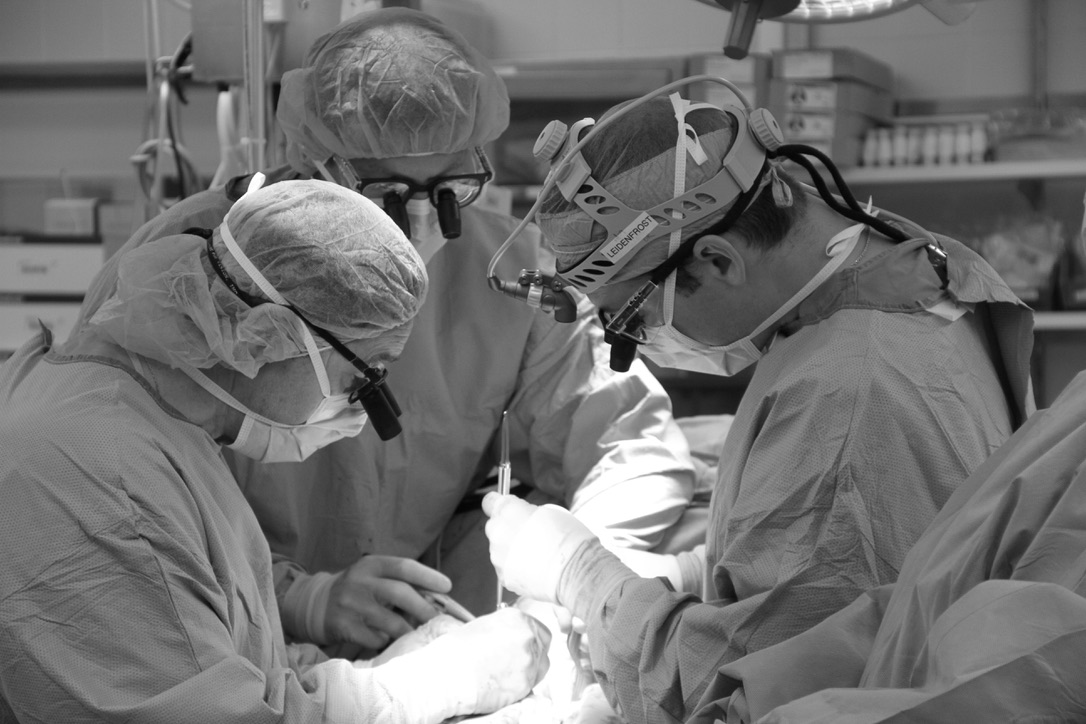
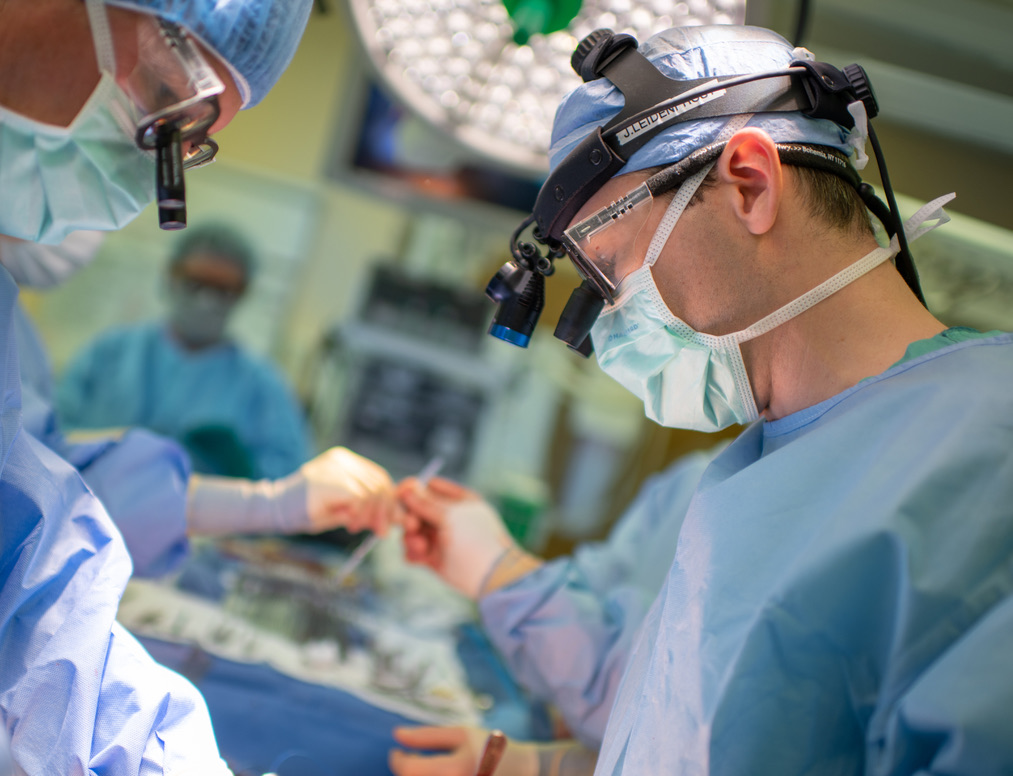
You’ll arrive early for final checks. Hair near the incision is clipped, you may get medicine to help you relax, and general anesthesia is given through your IV. Family can usually arrive about two hours before surgery and wait nearby. [Confirm: how our team updates families during and after the operation.]
Your anesthesia team
Dedicated cardiac anesthesiologists
Our anesthesiologists are dedicated to heart surgery and trained specifically in cardiac anesthesia. They are board-certified in echocardiography: during your operation they use transesophageal echo (TEE) — an ultrasound probe placed in the esophagus while you’re asleep — to watch your heart in real time, so we can confirm a repair or a new valve is working before your chest is closed.
The ICU
After surgery you’ll go to the cardiac ICU, where nurses, respiratory therapists and intensivists care for heart patients every day. When you wake up, it’s normal to feel groggy, thirsty, cold or a little confused.
- A breathing tube connects you to a ventilator, so you can’t talk at first. The goal is usually to remove it within about 4 to 6 hours, once you can breathe on your own.
- Lines and monitors in your neck, arm and wrist give medicines and track your blood pressure and heart rhythm.
- Chest tubes drain fluid and air; most come out within a few days.
- Pain medicine is given regularly — tell your nurse early if you hurt.
Most patients leave the ICU the day after surgery.
The days on the floor
- You’ll sit in a chair and start walking as early as the day after surgery, building up each day.
- Deep breathing, coughing with a pillow held against your chest, and an incentive spirometer help prevent pneumonia.
- Appetite is often poor and taste may be off for a while; constipation from pain medicine is common.
Going home
Most bypass patients spend about four to six days in the hospital. You’re ready to go home when you can walk on your own, climb a flight of stairs and handle basic self-care. You’ll leave with instructions, follow-up appointments and a number to call — and someone else will need to drive. What recovery at home looks like.
Sources for this section: Cleveland Clinic — Preparing for cardiac surgery · Saint Luke’s Health System (Kansas City) — After open-heart surgery: in the hospital · Beth Israel Deaconess Medical Center — What to expect after cardiac surgery · Ochsner Health — What is CABG surgery?
Common questions
What will my family see in the ICU?
You’ll look pale and puffy and be attached to tubes and wires — that’s normal. While the breathing tube is in you can’t speak, but your nurse can help you communicate. Visits are often allowed soon after surgery.
Source: Saint Luke’s Health System (Kansas City) — After open-heart surgery: in the hospital
How long is the hospital stay?
For bypass, about four to six days; some patients go home in as few as three to five days. Catheter procedures like TAVR are usually one to two days.
Source: Ochsner Health — What is CABG surgery? · Beth Israel Deaconess Medical Center — What to expect after cardiac surgery · Massachusetts General Hospital — TAVR or SAVR decision aid
Who will be taking care of me?
Your surgeon, a dedicated cardiac anesthesiologist in the operating room, and a cardiac ICU team of nurses, respiratory therapists and intensivists who care for heart patients every day.
Sources
- Saint Luke’s Health System (Kansas City) — After open-heart surgery: in the hospital
- Beth Israel Deaconess Medical Center — What to expect after cardiac surgery
- Ochsner Health — What is CABG surgery?
- Cleveland Clinic — Preparing for cardiac surgery
- Massachusetts General Hospital — TAVR or SAVR decision aid