Why it matters
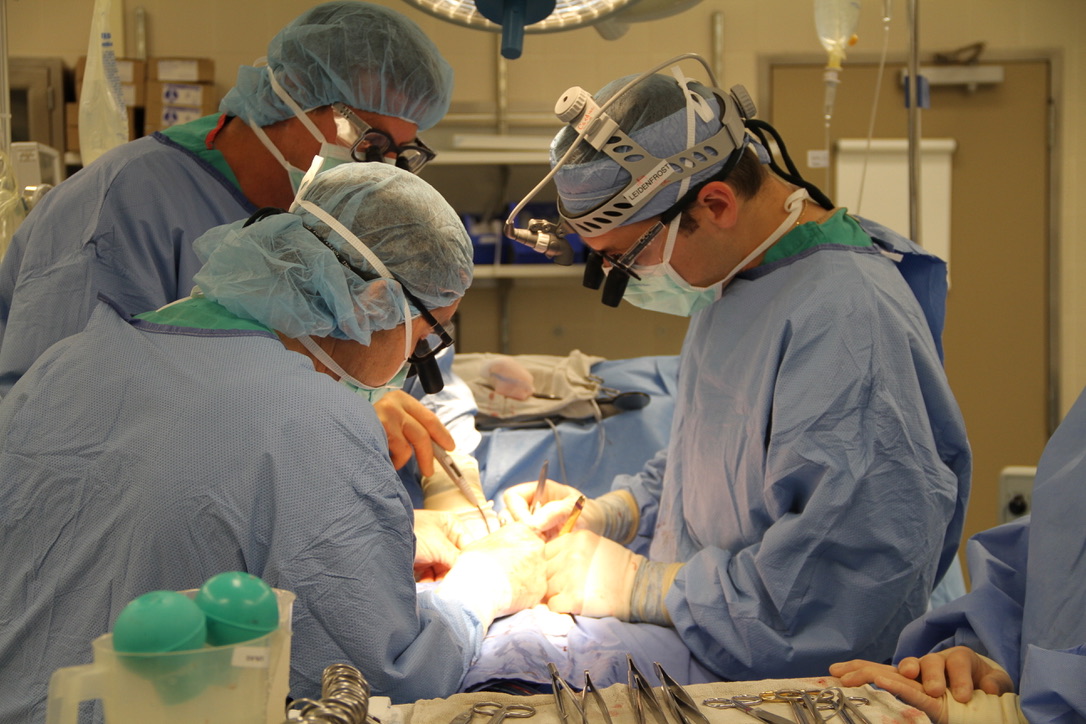
Wires allow small movements of the bone while it heals. Rigid plates hold it still, so it can heal the way any broken bone heals when it’s set: quickly and solidly. That matters because sternal precautions — no lifting, pushing or pulling, often no driving — are one of the hardest parts of recovery.
What the trial showed
In a randomized trial of 236 patients at 12 U.S. centers, rigid plate fixation compared with wires produced:
41% vs 16%
breastbones healed on CT scan at 3 months
0% vs 5%
sternal complications through 6 months
Less pain
more patients pain-free at 6 weeks and 3 months, with no added total cost
The trial was sponsored by a plate manufacturer, and its authors note results may not apply to every plating system.
What it means for my patients
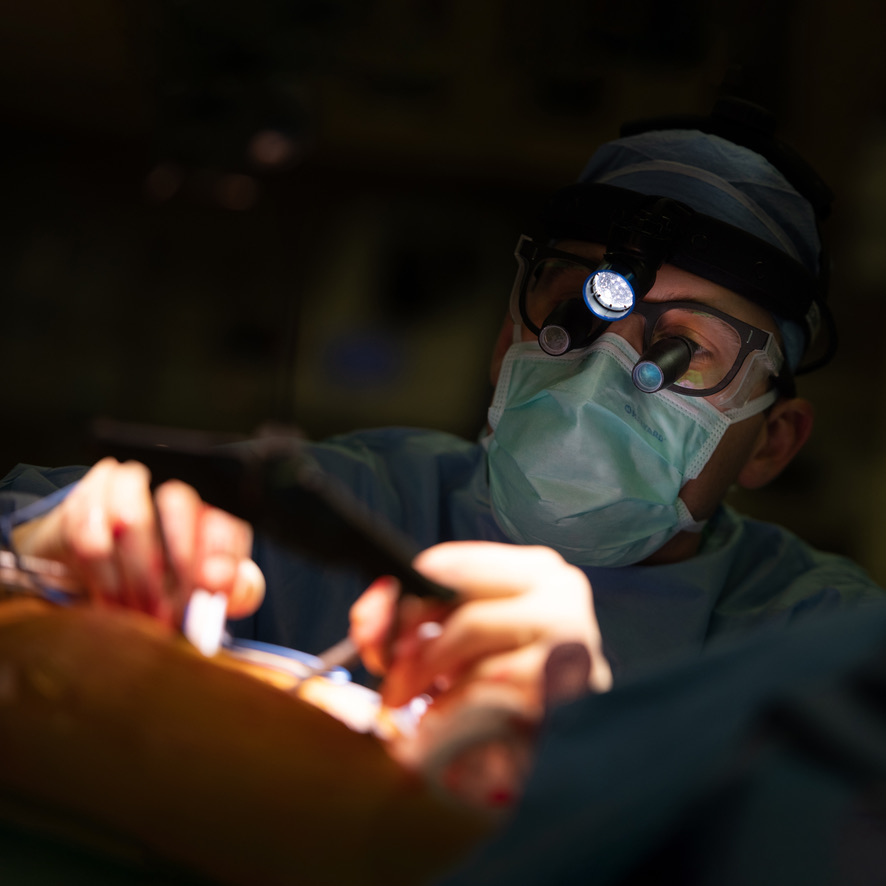
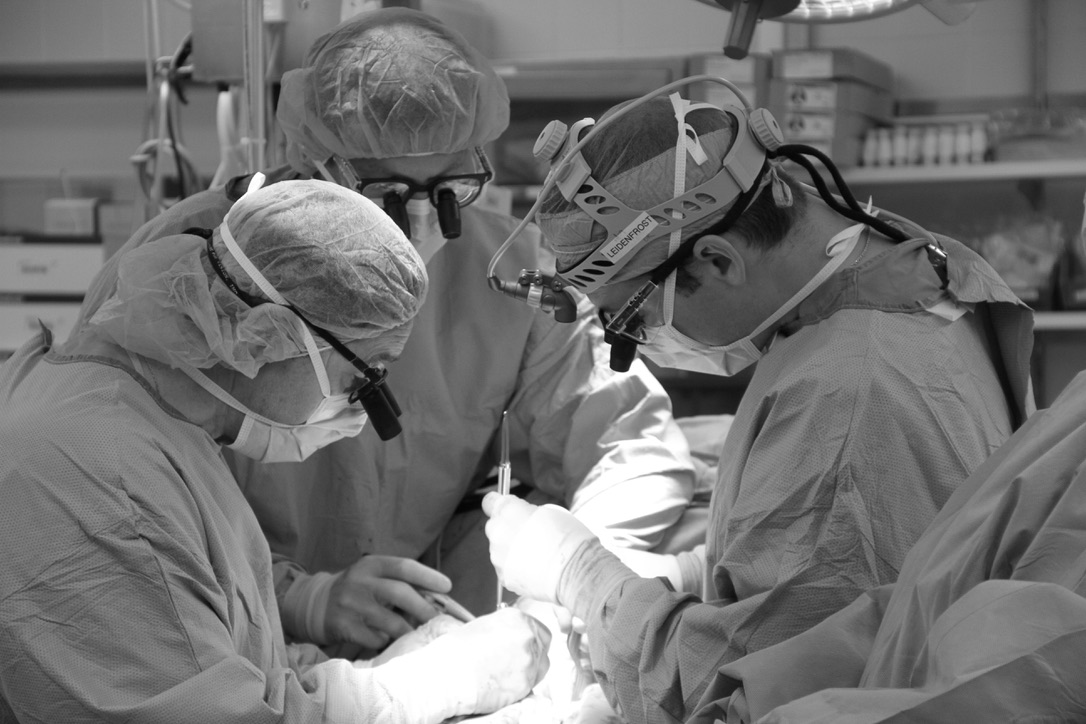
Every patient I close with rigid fixation is released from sternal precautions at 6 weeks — across the board. That means getting back to driving, lifting grandchildren and work sooner, and more confidence to breathe deeply, cough and rebuild lung strength after surgery.
[Confirm disclosure: Dr. Leidenfrost has a design-consulting and royalty agreement with Fusion Innovations, LLC, maker of the SternaFuse Ti sternal closure system.]
Sources for this section: Annals of Cardiothoracic Surgery — rigid plate fixation trial
Common questions
Which operations can use rigid fixation?
Operations done through the breastbone (a sternotomy), including bypass surgery, open valve surgery and septal myectomy. Catheter procedures like TAVR and edge-to-edge repair don’t open the breastbone.
When can I lift and drive again?
Every patient I close with rigid fixation is released from sternal precautions at 6 weeks. We go over your specific plan before you leave the hospital.
Is it right for my case?
Ask me at your consultation or second opinion. I’ll explain how I plan to close your chest and why.