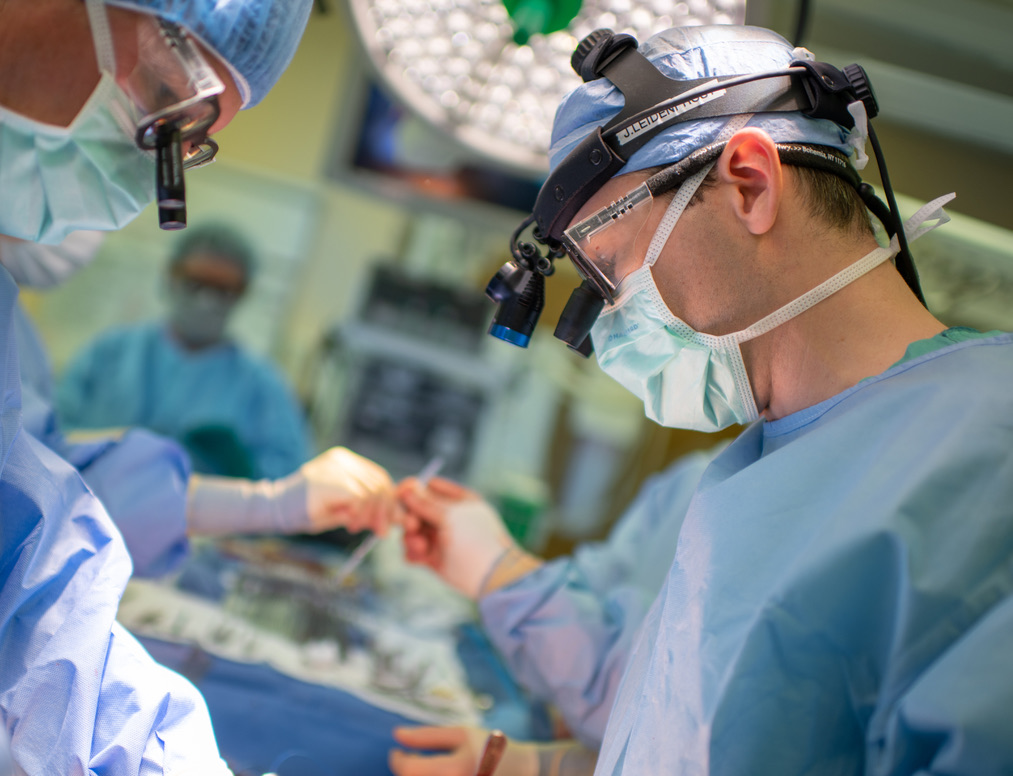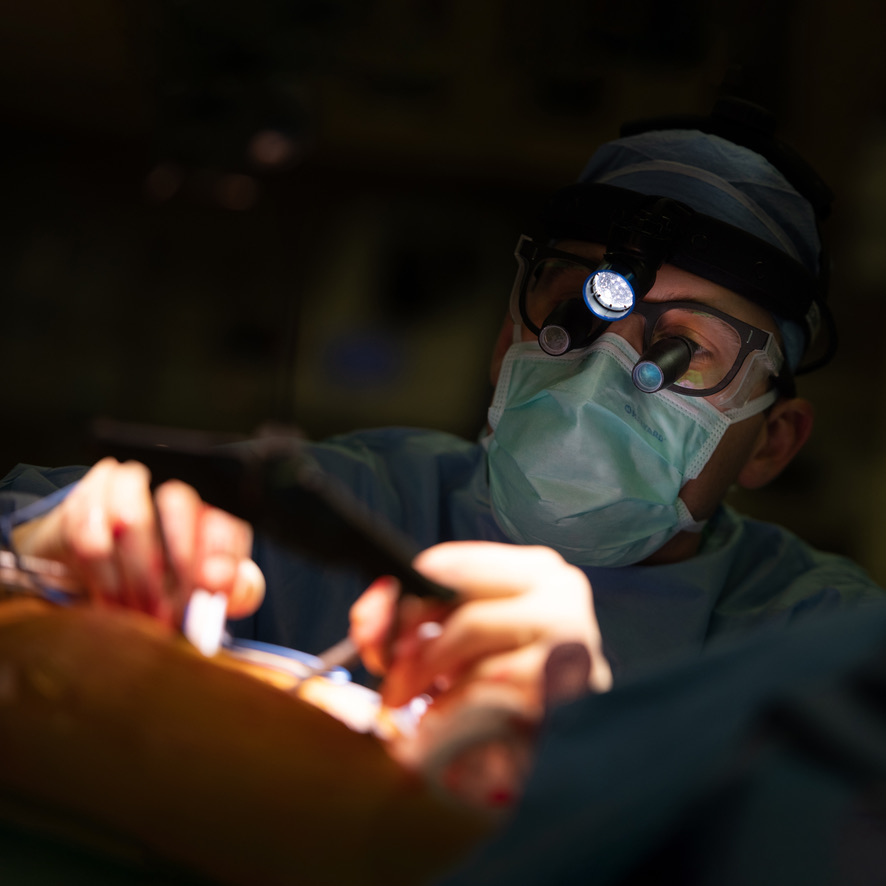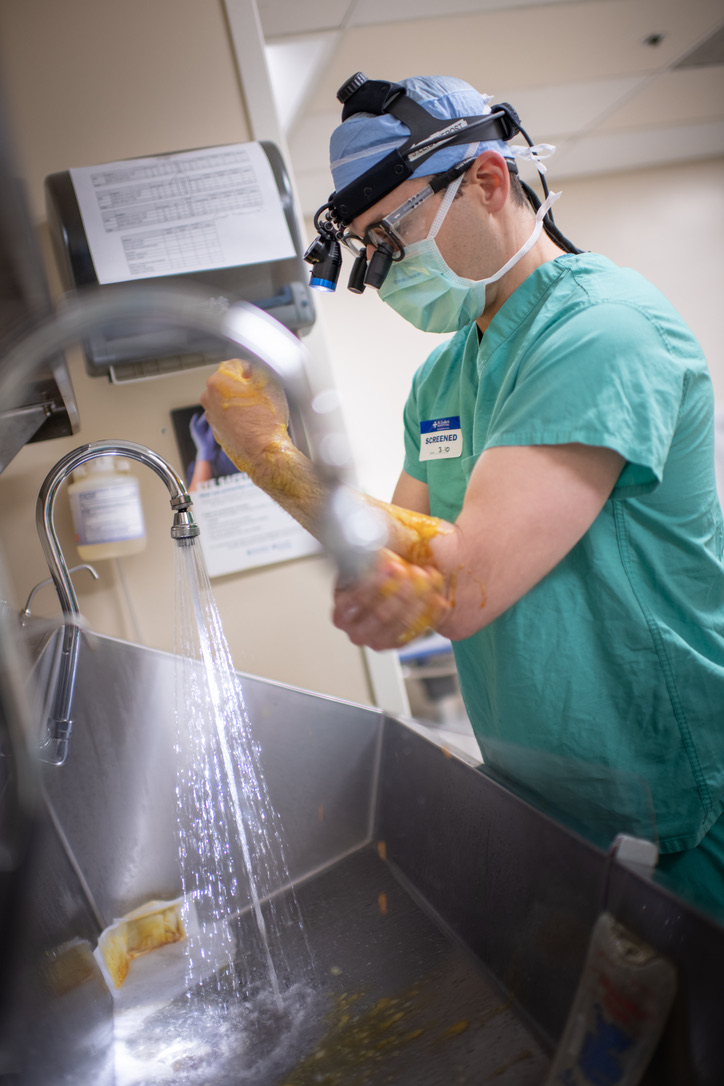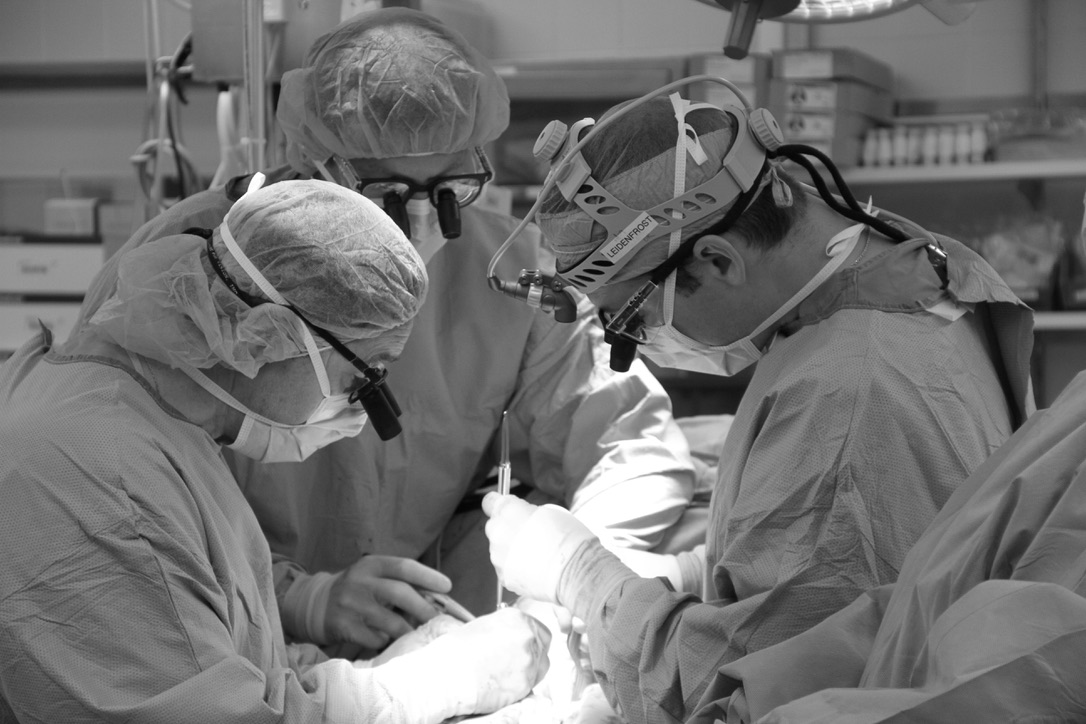
Watch: in my words
What happens on the day of surgery — for me and my family
New videos are being recorded now. Captions will be included.
Surgery day
Family can usually arrive about two hours before surgery. Hold on to your loved one’s belongings and valuables. Once they go back, you’ll wait nearby while the operation is under way. [Confirm: how and when our team updates families — phone, text or in person.] More on surgery day.
The ICU
Seeing someone you love in the ICU for the first time is hard. They’ll look pale and puffy and be attached to tubes and wires — that’s normal. While the breathing tube is in, usually for about 4 to 6 hours, they can’t talk, but the nurse can help you communicate. Most patients move out of the ICU the day after surgery. What the ICU looks like.
Going home
For the first several weeks, your loved one will need you most for the things they can’t do yet:
- Driving — no driving for about six weeks, including to follow-up visits.
- Lifting — nothing over 10 pounds for about six weeks: groceries, laundry baskets, grandchildren. (Patients I close with rigid sternal fixation are released from these precautions at 6 weeks.)
- Medicines — help keep them on schedule.
- Walking — encourage a little more each day.
- Watching for warning signs — a fever over 100°F twice in a day, weight gain of more than two pounds a day for two days, or a red, swollen or more painful incision. For chest pain that worsens, call 911.
- Mood — sadness and mood swings are common after heart surgery and usually improve; tell the care team if they don’t.
Before surgery, help get the home ready: meals in the freezer, rugs and clutter out of the way, everyday items within easy reach, and a thermometer and scale on hand. Home preparation checklist.
Coming from out of town
Many of our patients and families travel to St. Louis. Hotels near St. Luke’s, virtual visits, and how to travel home safely.
Taking care of yourself
Caregiving is tiring. Accept help from friends and family, take breaks, and get rest when your loved one does. You don’t have to do this alone — ask our team anything.
Sources for this section: Cleveland Clinic — Preparing for cardiac surgery · Saint Luke’s Health System (Kansas City) — After open-heart surgery: in the hospital · Beth Israel Deaconess Medical Center — What to expect after cardiac surgery · American Heart Association — How can I recover from heart surgery?
Common questions
Can I stay with my loved one in the ICU?
Visits are often allowed soon after surgery. [Confirm: St. Luke’s cardiac ICU visiting hours and overnight policy.]
Source: Saint Luke’s Health System (Kansas City) — After open-heart surgery: in the hospital
How can I help most at home?
Drive, handle anything heavier than 10 pounds, help with medicines, encourage daily walks, and watch for warning signs like fever, rapid weight gain or a red, swollen incision.
Source: American Heart Association — How can I recover from heart surgery?
What’s normal at home, and when should I call?
Common and expected: a reduced appetite for a few weeks, trouble sleeping at first, constipation, sore chest and shoulder muscles, and leg swelling if a vein was taken from the leg.
Call your care team for a temperature over 100°F twice in 24 hours, weight gain of more than two pounds a day for two days in a row, or increasing redness, swelling or pain at an incision. For chest pain that worsens or any emergency, call 911.
Source: American Heart Association — How can I recover from heart surgery?
Sources
- Cleveland Clinic — Preparing for cardiac surgery
- Saint Luke’s Health System (Kansas City) — After open-heart surgery: in the hospital
- Ochsner Health — What is CABG surgery?
- American Heart Association — How can I recover from heart surgery?
- Beth Israel Deaconess Medical Center — What to expect after cardiac surgery