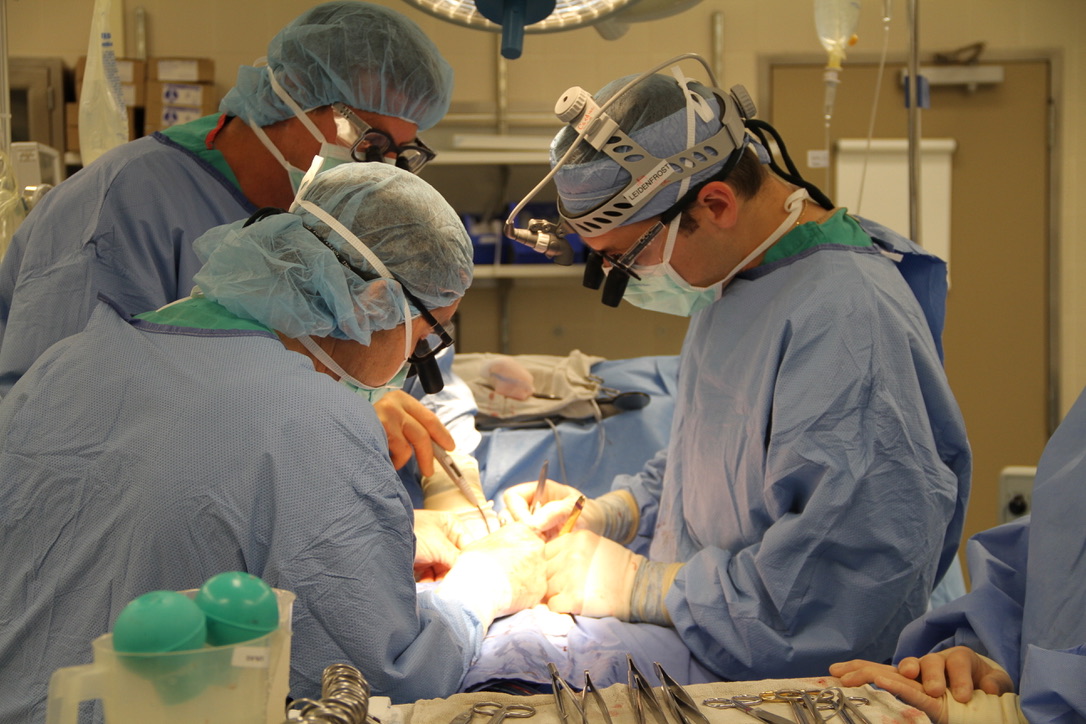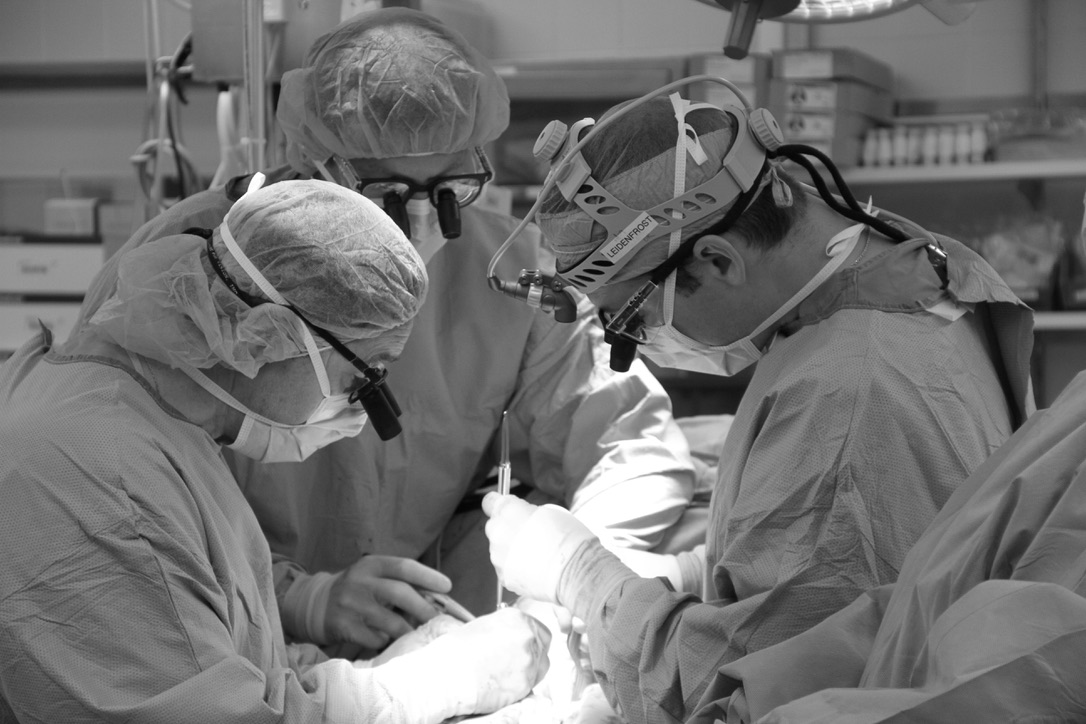
Watch: in my words
What is aortic stenosis, and why does the valve need replacing?
Surgery or TAVR — how we decide together
New videos are being recorded now. Captions will be included.
Surgery or TAVR
Surgical replacement
- Typical hospital stay about a week; recovery about 6–8 weeks
- Can fix other heart problems at the same time
- Offers a mechanical valve, and more options if the valve ever needs replacing again
- More than 50 years of experience behind it
TAVR
- A new valve placed through a catheter, usually from the leg
- Typical hospital stay about 1–2 days; recovery about 1–2 weeks
- Requires blood vessels that can safely carry the catheter
What the guidelines say
When a tissue valve is the right choice, the 2020 ACC/AHA guideline prefers surgery for patients younger than 65 or expected to live more than 20 years, and TAVR (if feasible) for patients older than 80 or expected to live less than 10 years. Between 65 and 80, either is recommended after shared decision-making.
6 in 100 vs 8 in 100
needed a pacemaker within 30 days, surgery vs TAVR
41 in 100 vs 7 in 100
developed new atrial fibrillation within two years, surgery vs TAVR
Figures from studies of otherwise healthy patients with severe aortic stenosis, summarized in the Massachusetts General Hospital decision aid. At five years, patients were similarly likely to be alive after either procedure.
Sources for this section: Massachusetts General Hospital — TAVR or SAVR decision aid · 2020 ACC/AHA Valve Guideline, key points: aortic (ACC)
Common questions
When is open surgery the better choice?
When you need surgery for another heart problem too, when you want a mechanical valve, when you want the most options if the valve ever needs replacing again, or when you’re younger — guidelines prefer surgery under 65 or with a life expectancy over 20 years.
Source: Massachusetts General Hospital — TAVR or SAVR decision aid · 2020 ACC/AHA Valve Guideline, key points: aortic (ACC)
Mechanical or tissue valve?
Mechanical valves are built to last but need a lifelong blood thinner; tissue valves don’t, but wear out over time. How I help patients choose.
Source: Northwestern Medicine — Mitral valve repair or replacement
What is recovery like?
About a week in the hospital and six to eight weeks of recovery on average.
Source: Massachusetts General Hospital — TAVR or SAVR decision aid
What is atrial fibrillation after surgery?
An irregular heart rhythm that is common after open-heart surgery: about 41 in 100 patients developed new atrial fibrillation within two years after surgical replacement, versus about 7 in 100 after TAVR. We watch for it closely and treat it when it happens.
Source: Massachusetts General Hospital — TAVR or SAVR decision aid
When can I drive, lift and go back to work?
General guidance from the American Heart Association after heart surgery: no driving for six weeks (riding as a passenger is fine — stop to walk every two hours), no lifting, pushing or pulling more than 10 pounds for six weeks, and light work in about six to 12 weeks. Sex can usually resume once you feel comfortable, often two to four weeks after leaving the hospital.
When I close your breastbone with rigid plates, I release you from sternal precautions at 6 weeks. Your own plan depends on your operation, so we go over it before you leave.
Source: American Heart Association — How can I recover from heart surgery?